
Monday 31st
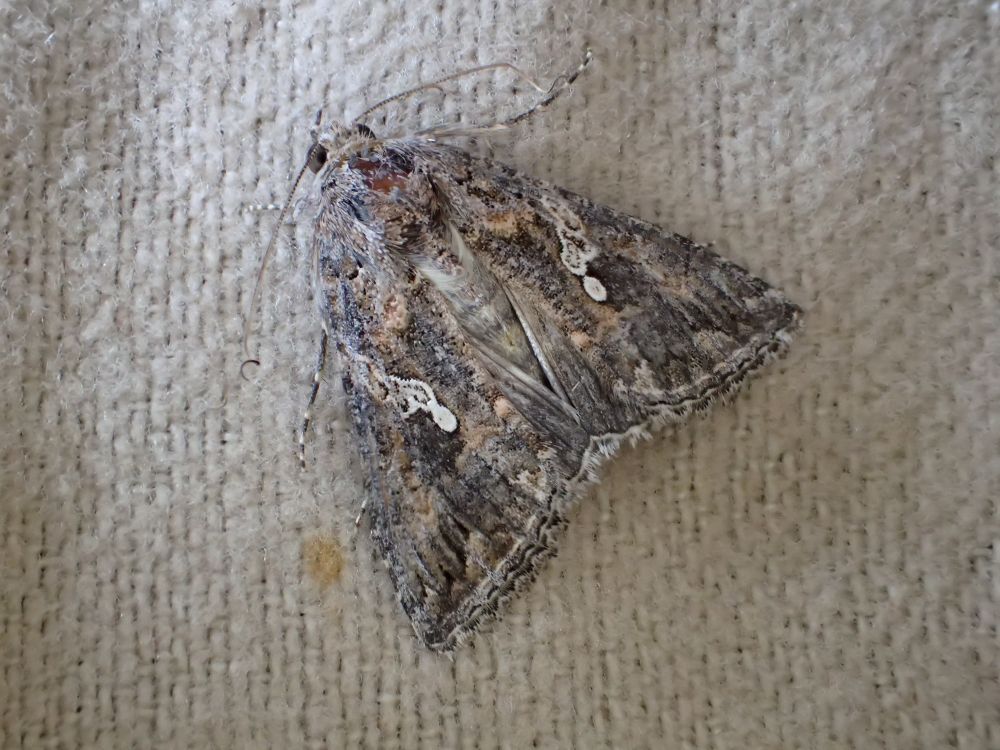
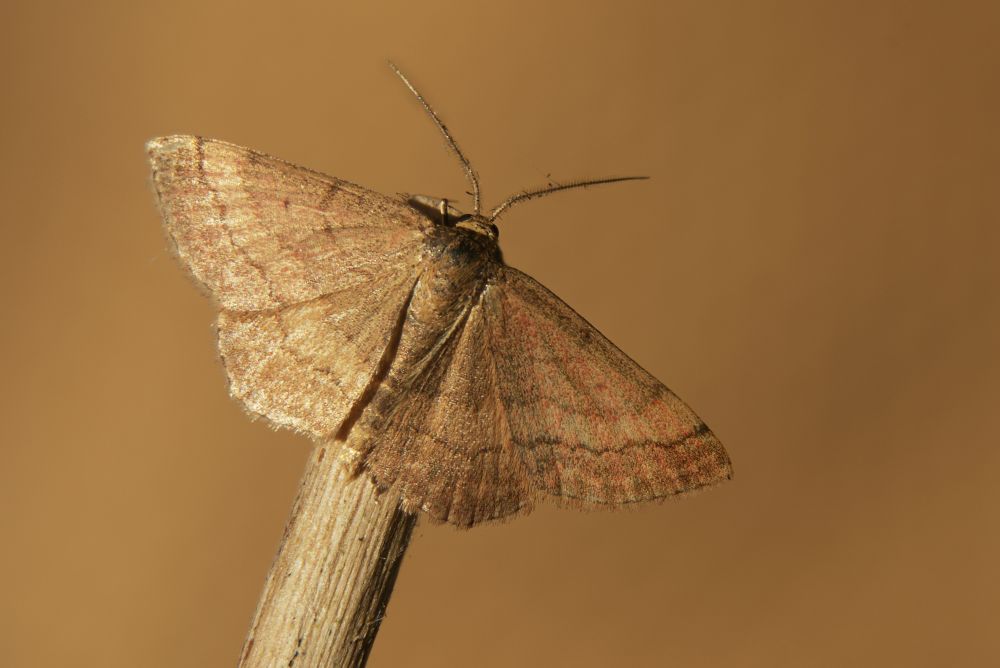
Despite some thundery showers which resulted in the trap being moved to a sheltered position there was a very good catch of 195 moths of 51 species. The best moth clung to the side of the Observatory - our first record of Lace Border. This might have wandered just a short distance from the Downs but other moths linked to longer distance migration were 29 Small Mottled Willows, 13 Rush Veneers, five Silver Ys, four Pearly Underwings and a Scarce Bordered Straw. Best of all were two Ni Moths, these are scarce here.
There was also a Svensson's Copper Underwing and, new for the year, Centre-barred Sallow.
Thursday 27th
The trap was placed in the shelter of the Ringing Room in anticipation of coming thunderstorms and the Feeders trap was set with a hunch of good migrant conditions. The later brought 107 moths of 39 species, an underwhelming catch with few of the hoped-for migrants materialising however European Corn-borer interestingly was one of the most caught moths with 19 and there was a Breckland Plume.
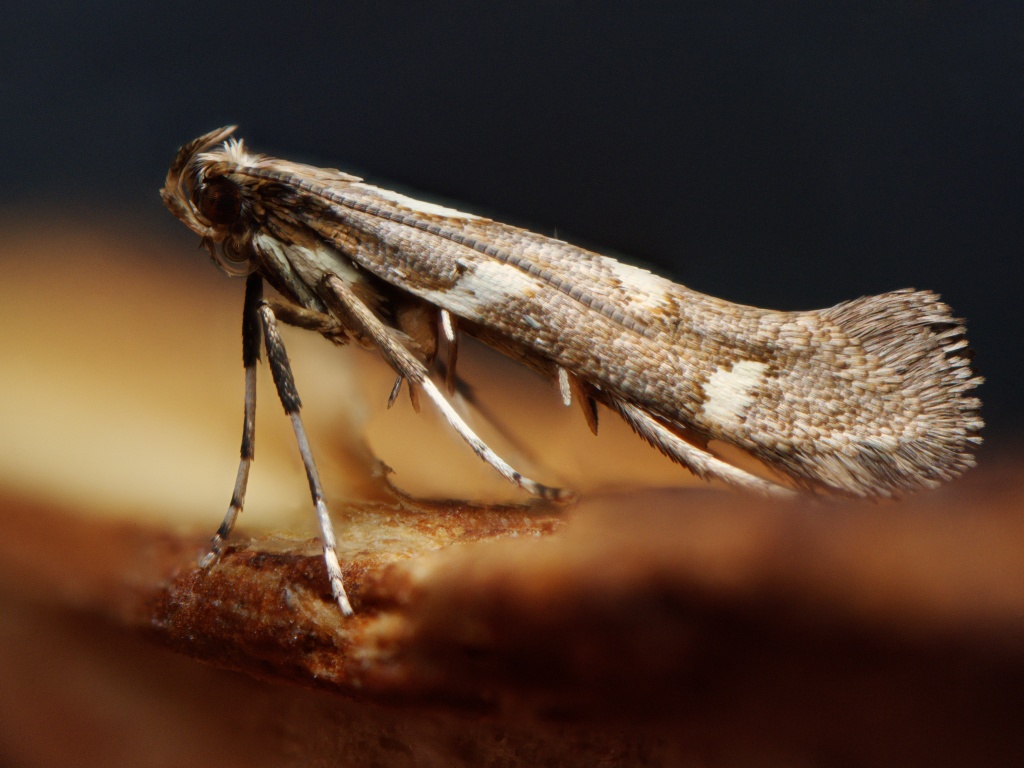
The Ringing Room performed better at 231 moths of 59 species. Three Vestals on the first tray were promising however migrants here were still low. Of note here was a Clancy's Rustic, a Waved Umber and another Calybites phasianipennella.
Wednesday 26th
The easterly wind finally abated leaving a warm south-easterly. The catch immediately improved to 309 moths of 80 species. Small Mottled Willow increased to 39. The other migrants were 23 Ancylosis oblitellas, nine Rush Veneers, three Vestals, two Scarce Bordered Straws, two Diamondbacks, a Pearly Underwing and a Dark Sword-grass.
A Large Wainscot was new for the year and there was the third ever (after two last year) Calybites phasianipennella.
Monday 24th
With another night with the temperature down to 8.5°C the main trap was quiet. With just 87 moths. Small Mottled Willow had a resurgence with 20 counted. There were also three Rush Veneers and a Dark Sword-grass.
Not an ideal night for trapping as the winds were higher than expected, however five traps in the Gullies and Elms area had a combined catch of 225 moths of around 60 species. Two Portland Ribbon Waves, a Lesser Swallow Prominent and a Yellow-barred Brindle were of note. Migrants were low, as expected with the northerly gales, but a Turnip, Dark-sword Grass and Small Mottled Willow were caught.
Saturday 22nd
Another unsettled night with a minimum temperature of 13.1°C. There were 243 moths of 54 species. Small Mottled Willow was finally pushed off top spot with the resident Setaceous Hebrew Characters outnumbering it 45 to 30. Other migrants included 19 Rush Veneers, two Scarce Bordered Straws and a Dark Sword-grass.
Friday 21st
The odd overnight showers and intense gales didn't put the moths off too much and 208 moths of 48 species were present. Small Mottled Willows were not to be deterred, making up a quarter of the trap. Migrants were plentiful in 13 Rush Veneer, three Pearly Underwing, three Silver Y and a Dark-sword Grass. Of the residents, a Large Thorn and two Lesser Swallow Prominents were good.
Wednesday 19th
There was enough cloud overnight, plus dampness in the air, to ensure the biggest catch of the year in the main trap. There were 1,078 moths of 100 species.
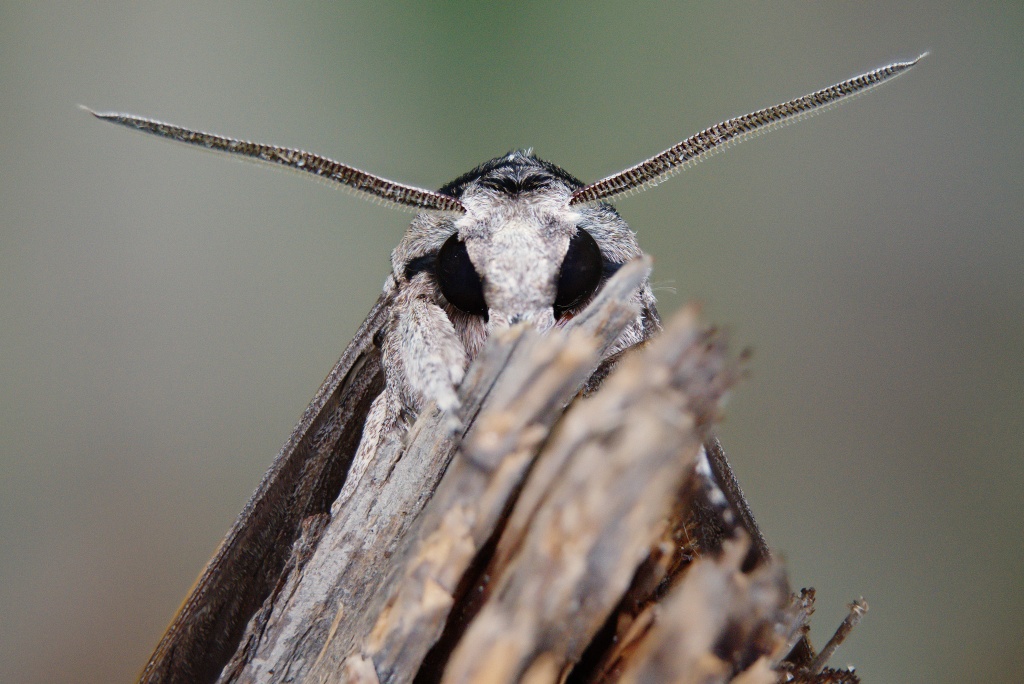
The highlight was shared between a Small Marbled and a record breaking 445 Small Mottled Willows. Also notable were 86 Rush Veneers, 54 Beet Moths, seven each of Vestal and Scarce Bordered Straw, four Dark Sword-grasses, two Pearly Underwings and a Convolvulus Hawk-moth. A Portland Ribbon Wave was of note although they are now resident.
There would probably have been more moths if it was not for a layer of small, reddish, beetles in the bottom of the trap
Tuesday 18th
Seven traps were set along Prince's Beach covering the area from Prince's Clubhouse to the KWT Boundary Fence to take advantage of one of the most moth'y nights forecasted for some time. It was better than could be hoped for and our hard work was well rewarded with 979 moths of 103 species. Archer's Dart were far and away the most numerous and a simply absurd 358 were caught. Sharp-angled Peacocks were still going strong and 141 were counted though no doubt more were present as many were quick to flee the traps. Migrants were plentiful - 34 Small Mottled Willow, triples of Dark Sword-grass, Turnip, Silver Y and Rush Veneer, two Diamondback, a Bloxworth Snout, a Cydia amplana, our first Striped Hawk-moth of the autumn and best of all a pristine Convolvulus Hawk-moth.
Although it was a bit warmer, at 17.1°C the rain cloud did not arrive until dawn and so the main trap was quieter. There were 425 moths of 77 species. Small Mottled Willow was down to a 'mere' 180. There were 36 Beet Moths, 31 Ancylis oblitellas, six Rush Veneers, five Scarce Bordered Straws, three Silver Ys and singles of Pearly Underwing and Vestal.
Resident species are trundling along with no large numbers of any, even Large Yellow Underwing. A Silky Wainscot was a nice record.
Monday 17th
For the first time in a couple of months there was some rain over night. This, combined with a minimum temperature of 16.4°C, was enough to bring out the moths. The highlight was a Pale Shoulder, still checking but only the third or fourth record. There was also a record breaking total of 251 Small Mottled Willows in the one trap. The supporting cast of migrants were 12 Silver Ys, 11 Scarce Bordered Straws, one Bordered Straw, 20 Rush Veneers, three Pearly Underwings, six Rusty-dot Pearls, 14 Diamondbacks, a Dark Sword-grass and a Sciota rhenella. Some moths which were once thought of as migrants but are now a mixture of residents and migrants included 35 Delicates, 22 Ancylosis oblitellas and 23 Beet Moths.
Saturday 15th
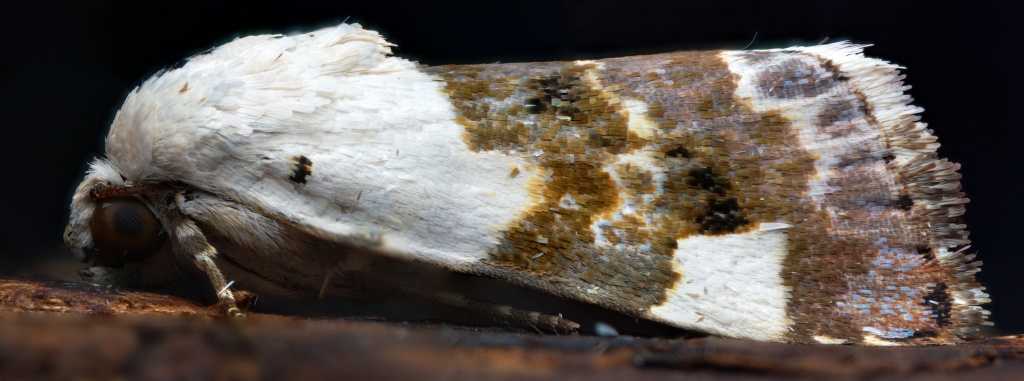
With a minimum of 18.4°C it was no surprise that the catch went up to 449 moths of 87 species. Small Mottled Willow cemented its place at the top of the leaderboard with a record-breaking 107. Other migrants included seven each of Rush Veneer and Silver Y and a Scarce Bordered Straw. There was a second(?) generation Buff-tip and a nice example of the very attractive moth Campion.
Friday 14th
Last night the minimum was 15.4°C . The catch only increased to 271 of 83 species.
We had another Lesser Swallow Prominent. Small Mottled Willow increased to 48. Other migrants included three Dark Sword-grasses, three Rush Veneers and a Bordered Straw. Sciota rhenella reappeared and there were four Diamondbacks.
Thursday 13th
Although the wind dropped the thermometer said the minimum went down to 12.4°C. The moths ignored this and there were 233 of 70 species. Migrants included 33 Small Mottled Willows, two each of Dark Sword-grass and Silver Y plus singles of Scarce Bordered Straw and Diamondback. A Lesser Swallow Prominent was new for the year and two Maple Prominents were a bonus.
Wednesday 12th
The easterly continued and, despite a minimum temperature of 18.3°C, There were only 121 moths of 43 species. Small Mottled Willows increased to 30 and there were singles of Scarce Bordered Straw, Dark Sword-grass and Rush Veneer. The best moths were three Large Thorns. There were no hawk or tiger moths and micros were scarce.
Tuesday 11th
A significant Easterly got up overnight and appeared to limit the catch. There were 100 moths of 41 species. This included 17 Small Mottled Willows and singles of Dark Sword-grass, Diamondback and Cydia amplana.
Two LEDs in the Whitehouse had 170 moths of 61 species with highlights of a Spurge Hawk-moth sat outside the trap, a scarce record of Scythropia crataegella, a Maple Prominent and six Oblique-stripeds. Migrants were plentiful in 12 Small Mottled Willows, a Silver Y and Pearly Underwing. Best of all was in the bycatch with an Ant-lion also present!
Monday 10th
Same again, with the minimum increasing to 15.5°C. There were 381 moths of 82 species in the car park trap including a good mix of migrants. There were 76 Small Mottled Willows (with 18 by the feeders), 12 Ancylosis oblitellas, six each of Rush Veneer and Silver Y, two Diamondbacks, three Cydia amplanas, and singles of Dewick's Plusia, Vestal and Gem.
Langmaid's Yellow Underwing reappeared with three examples, are these migrants on a late generation?
Sunday 9th
Another hot, dry, day and the night-time temperature crept back up, the minimum was 13.4°C. The catch increased to 286 moths of 86 species. Orange Swift was new for the year. Migrants included 40 Small Mottled Willows, five Silver Ys, three each of Gypsy Moth and Rush Veneer, two Rusty-dot Pearls and singles of Dark Sword-grass, Vestal, Diamondback and Palpita vitrealis.
Saturday 8th
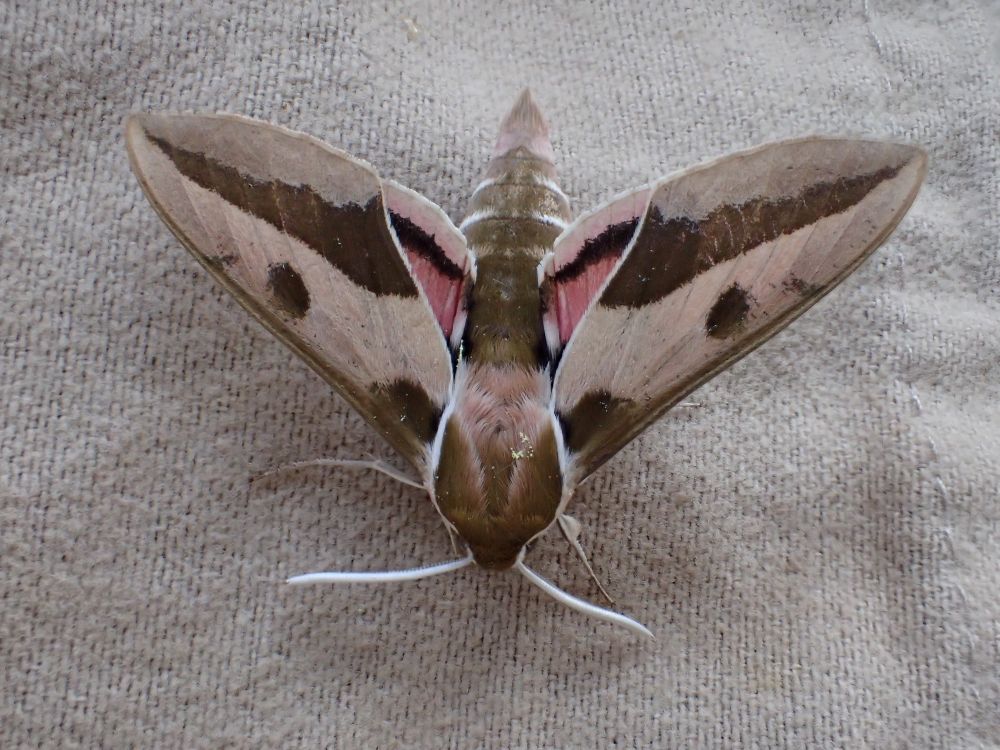
In prep for the moth evening two traps were operated at the Obs and some freewheeling LED traps were put in the field. The night was cool-down to 10.1°C but there was an excellent variety caught, if not in big numbers. The car park trap had 87 moths of 45 species. For the first time this late summer Setaceous Hebrew Character was the most numerous with eight. There were five Ethmia bipunctella and this species seems to be having a very good season. Dusky Thorn was new for the year. The other traps gave Frosted Orange, Straw Underwing and Six-striped Rustic new for the year. An Eyed Hawk-moth was a surprise.
Friday 7th
Five LEDs were spread around the Point and despite the chilly night, 332 moths of 48 species were caught. Admittedly, 152 were Sharp-angled Peacock however the remaining catch had many highlights of our coastal species - Our first TAWNY WAVE for over 40 years, our third record this year of Blastobasis rebelli, an Acroclita subsequana, a Wood Carpet, two Ruddy Carpets and four Sand Darts.
The main trap was fairly quiet as the temperature fell into single figures- 9.8°C. Small Mottled Willow continued its bid for world domination with 17 and there was a Vestal.
Thursday 6th
The small gains in the trap were properly stomped out overnight, a bitterly cold (by this years standards) 11°C night made numbers crash to 90 moths of 56 species. Small Mottled Willow persisted with 20 and there were singles of Scarce Bordered Straw and Dark Spinach.
Wednesday 5th
There was an improvement two nights ago and this continued last night, as the moon started to wane. It also remained warm with a minimum of 17.6°C.
The moths responded and there were 308 of 92 species in the trap. Small Mottled Willow continues to smash records with 75 last night. This more than we have had ever until the last two years. No other migrant reached double figures. There were six Silver Ys, four Bordered Straws, three each of Rush Veneer, Oak Processionary and Diamondback, plus singles of Cydia amplana, Sitochroa palealis and Dark Sword-grass.
There are also plenty of Hummingbird Hawk-moths around during the day.
Monday 3rd
Although it did feel warmer it did not feel as warm as the thermometer said (17.4°C). The moon won out again and there were just 47 moths of 30 species. Fortunately the moon is waning and catches should improve. Small Mottled Willow was most numerous with four individuals. There were also two Gypsy Moths and two Cydia amplanas both species are now establishing themselves in the South-east.
Sunday 2nd
It was a bit cooler last night with a minimum of 11.5°C. This combined with a bright moon reduced the catch to 75 moths of 39 species. It was more a case of quality over quantity with a very smart-looking Spurge Hawk-moth leading the way. There was also a September Thorn, which is only about our tenth record.
Migrants included ten Small Mottled Willows (the only species to reach double figures), five Silver Ys, four Rusty-dot Pearls, and singles of Rush Veneer and Cydia amplana.
Saturday 1st
The sky cleared and the wind dropped allowing the temperature down to 13.6°C. On this year's standards that is quite cool and the catch reduced to 138 moths of 60 species.
Resident species included Maple Prominent and Vapourer. Migrants included 18 Small Mottled Willows, five Rusty-dot Pearls and three each of Silver Y and Rush Veneer. Although most adults seem to be enjoying the weather it will be interesting to see if there is any knock-on from the drought on next years numbers. Current larvae which rely on herbaceous plants will not be finding plenty of nutritious food.